
Recurrent Miscarriage Treatment in Kolkata
Losing a pregnancy more than once can be physically and emotionally challenging. Personalised evaluation helps identify possible causes and create a treatment plan to support a healthier future pregnancy.
10+ Years of
Experience
3572
Safe Deliveries
2564 Gynaecological Surgeries Performed
Affiliated with
Top Hospitals
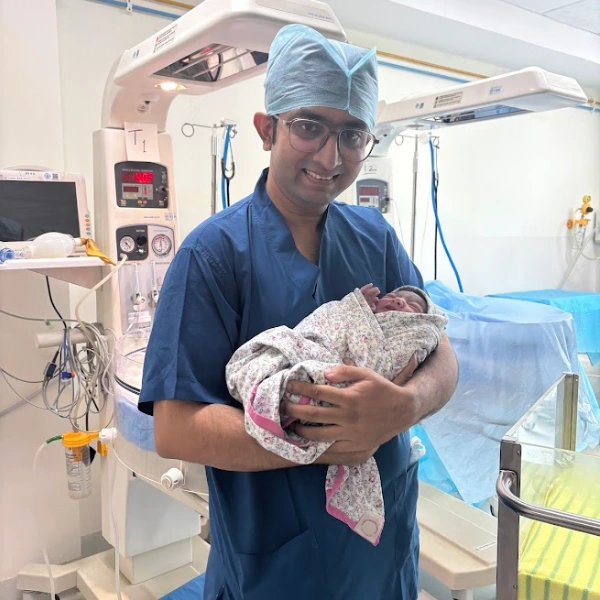
Recurrent Miscarriage Care for Future Pregnancy Planning
Experiencing recurrent miscarriage can leave many couples searching for answers. Although not every pregnancy loss has a clear explanation, many women have identifiable medical conditions that can be diagnosed and managed before or during the next pregnancy.
With Dr Pallab Roy, as your experienced gynaecologist, you can carefully evaluate your pregnancy history, medical conditions and previous investigations to understand the possible loss causes.
Personalised pre-conception counselling and a customised treatment plan help optimise your health before conception and provide closer monitoring once pregnancy is achieved.

Who May Benefit from Recurrent Miscarriage Treatment?
You may benefit from further evaluation if you have:
- Two or more consecutive pregnancy losses
- A history of repeated pregnancy loss
- Experienced a miscarriage after IVF
- A previous second-trimester pregnancy loss
- Suspected antiphospholipid syndrome
- A personal or family history of thrombophilia
- Cervical weakness that may require cervical cerclage
- Previously diagnosed habitual abortion
- Difficulty maintaining a pregnancy despite conception
- Planning another pregnancy after recurrent loss
Why Choose Dr Pallab Roy for Recurrent Miscarriage Treatment?
Comprehensive Evaluation before Pregnancy
- Detailed history assessment
- Advanced investigations for underlying causes
- Personalised planning before conception
Experience Managing Complex Pregnancy Loss
- Experienced doctor evaluation
- Autoimmune, hormonal & cervical condition management
- Post-conception pregnancy monitoring
What to Expect During Your Care

First Consultation
Your previous pregnancies, medical history, investigations and current concerns are reviewed to understand your individual risk factors and pregnancy history.
Causes & Investigation
A detailed assessment is performed to identify possible causes & investigation findings, including uterine abnormalities, hormonal conditions, genetic factors, autoimmune disorders and clotting disorders.
Diagnostic Tests
Blood investigations, imaging and other recommended tests are advised based on your medical history and previous pregnancy outcomes.
Personalised Treatment Plan
Treatment is planned according to the identified cause and may include medicines, lifestyle advice, pregnancy support or preventive procedures before and during pregnancy.
Pregnancy Monitoring
Once pregnancy is achieved, regular follow-up and ultrasound assessments help monitor your baby's development and detect concerns early.
Future Pregnancy Planning
You receive guidance on how to avoid preventable pregnancy risks, improve maternal health and prepare safely for future conception.
Safety, Risks, and How We Help Reduce Them

Pregnancy Concerns We Monitor
- Recurrent pregnancy loss
- Cervical insufficiency
- Autoimmune disorders
- Hormonal imbalance
- Uterine abnormalities
- Genetic factors
- Blood clotting disorders
- Pregnancy complications after conception

How We Help Reduce These Risks
- Personalised investigation and diagnosis.
- Evidence-based medical management.
- Early pregnancy monitoring.
- Timely treatment adjustments.
- Cervical stitch when medically indicated.
- Regular ultrasound follow-up.
- Close monitoring throughout pregnancy.
- Individualised delivery planning.
Cost & Insurance Guidance
The cost of treatment depends on your consultation, investigations, laboratory tests and the level of monitoring or treatment required before and during pregnancy.
What To Expect?
- Transparent consultation charges.
- Clear explanation of investigation costs.
- Insurance support where applicable.
- Mediclaim assistance for eligible patients.
- Flexible payment options, where available.
Need an estimate?
WhatsApp today, to learn about expected costs and available support.
Patient Experiences

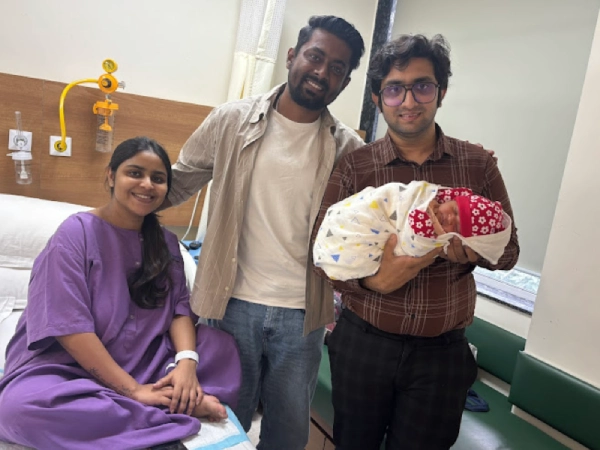
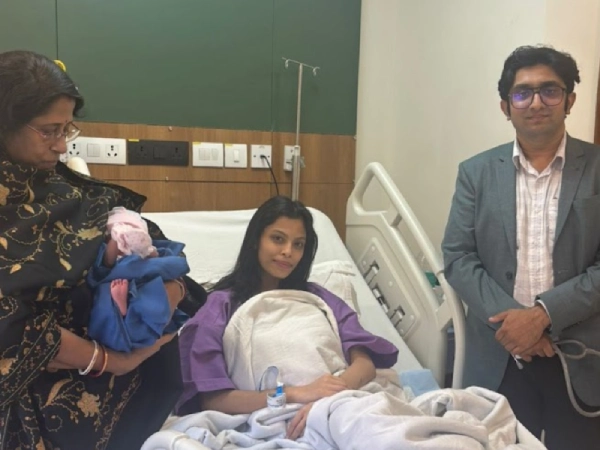
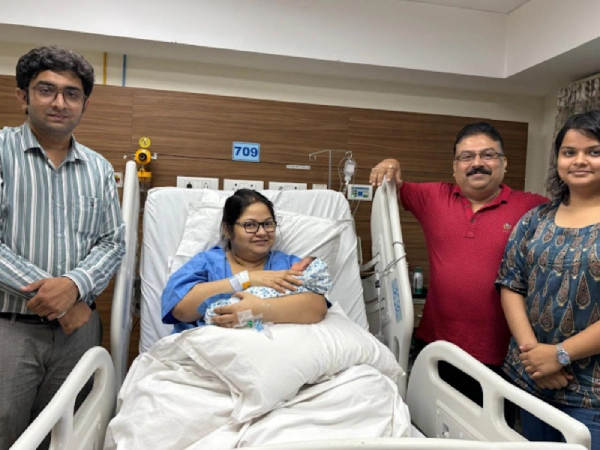
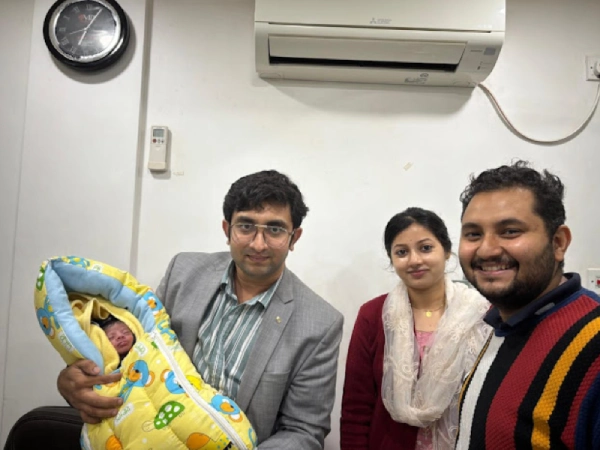
Abira Biswas
He's a good doctor, he always answers your call. He's like a god in the form of a doctor.He listened to my concerns and provided clear, reassuring explanations.one of the best gynecologist in Kolkata 🙂
Sudipta Dutta
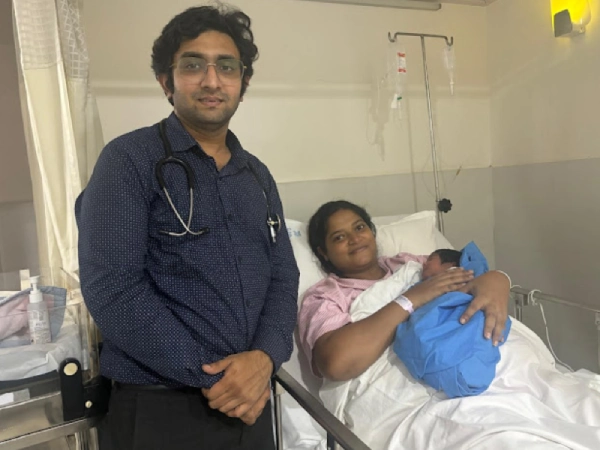
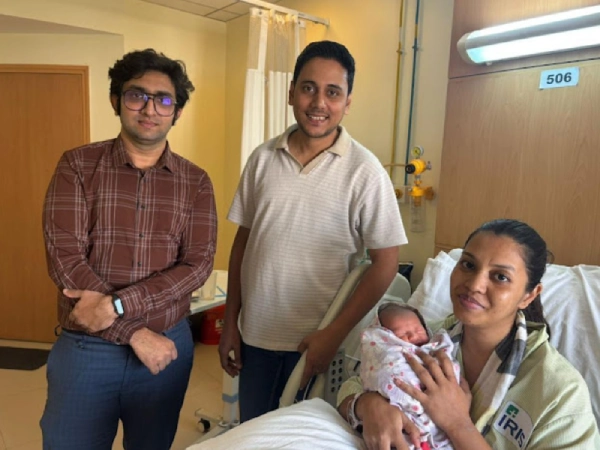
Dr Pallab Roy is a very caring gynaecologist. Delivered my baby on 28/06/26. Very helpful. My opinion — 5 star gynaecology doctor.
Koyel Adhikary
Dr. Pallab Roy is very professional, caring, and attentive. The treatment was excellent, and the staff was friendly. Highly recommended Dr Pallab Roy.
Binita Baral
I had been struggling with a problem for a long time. But now, after consulting with Dr. Pallab Roy, I am completely healthy. Thank you, sir.






Frequently Asked Questions
Will I ever be able to have a healthy pregnancy after recurrent miscarriages?
Yes. Even after recurrent pregnancy loss, 60-80% of women can achieve a successful pregnancy with appropriate evaluation, treatment, and pregnancy monitoring.
Does recurrent pregnancy loss mean I cannot become a mother?
No. Recurrent pregnancy loss does not mean infertility. Many women conceive naturally and deliver healthy babies after identifying and treating the underlying cause.
Is recurrent miscarriage my fault?
No. Most recurrent miscarriages result from chromosomal abnormalities, uterine abnormalities, hormonal disorders, autoimmune diseases, or blood clotting conditions, not routine activities or personal actions.
Can recurrent pregnancy loss be prevented?
Not always. However, treating conditions such as thyroid disorders, antiphospholipid syndrome, uncontrolled diabetes, or cervical insufficiency can significantly improve pregnancy outcomes.
Can stress, exercise, or travelling cause another miscarriage?
No. Normal exercise, sexual intercourse, work, and travel do not usually cause miscarriage. Most recurrent pregnancy losses are due to underlying medical or genetic factors.
Should I stop trying to conceive after two or more miscarriages?
No. Two or more consecutive miscarriages warrant evaluation for recurrent pregnancy loss. Early diagnosis helps identify treatable causes before another pregnancy.
When should I consult a doctor for recurrent pregnancy loss?
Consult a specialist after two or more consecutive miscarriages, especially if you are over 35 years, have known medical conditions, or experienced a second-trimester pregnancy loss.
What tests are recommended for recurrent pregnancy loss?
Evaluation may include pelvic ultrasound, thyroid and hormone tests, antiphospholipid antibody testing, parental karyotyping, and genetic testing of pregnancy tissue when indicated.
What treatments are available for recurrent pregnancy loss?
Treatment depends on the cause and may include progesterone support, low-dose aspirin with heparin for antiphospholipid syndrome, cervical cerclage, or correction of uterine abnormalities.
How soon can I try to conceive after a miscarriage?
Most women can try again after one normal menstrual cycle if physically and emotionally ready. Timing may vary depending on the cause and treatment required.