
Fibroid Treatment in Kolkata
Consult Dr Pallab Roy to determine the most suitable treatment option for your condition.
★ 5.0 Google Rating (1000+ Reviews)
2,000+ Surgeries Performed
10+ Years of Experience
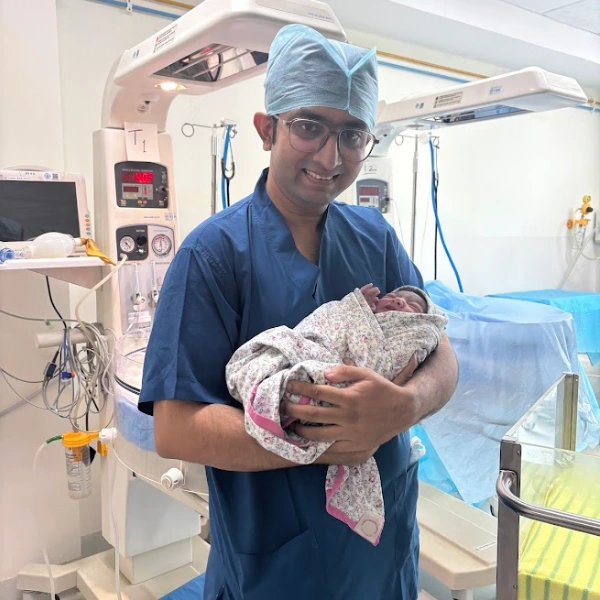
Fibroid treatment is recommended when non-cancerous uterine growths cause symptoms such as heavy menstrual bleeding, pelvic pain, pressure, or fertility concerns. The most suitable option depends on the size, location, severity of symptoms, your overall health, and future pregnancy plans.
Fibroid Treatment at a Glance
| Parameter | Details |
|---|---|
| Consultation Duration | Approximately 20-30 minutes, depending on clinical evaluation |
| Diagnostic Tests | Pelvic examination, ultrasound, MRI (if required), and blood investigations |
| Treatment Options | Medicines, minimally invasive procedures, or surgery based on the fibroid characteristics |
| Hospital Stay | Day care for 2 days, depending on the treatment performed |
| Recovery Time | Varies from a few days to 4-6 weeks based on the selected procedure |
| Fertility Planning | Personalised treatment plans are available for women wishing to preserve fertility |
| Insurance / Cashless Facility | Available at selected network hospitals, subject to policy approval |
Patient Experiences

Abira Biswas
He's a good doctor, he always answers your call. He's like a god in the form of a doctor. He listened to my concerns and provided clear, reassuring explanations. One of the best gynecologists in Kolkata 🙂
Rishika Tewari
Dr. Pallab Roy performed my mother's total laparoscopic hysterectomy on 07/05/26. Great surgeon and the best doctor for laparoscopic hysterectomy.
Koyel Adhikary
Dr. Pallab Roy is very professional, caring, and attentive. The treatment was excellent, and the staff was friendly. Highly recommended.
Binita Baral
I had been struggling with a problem for a long time. After consulting Dr. Pallab Roy, I am completely healthy. Thank you, sir.







What Symptoms May Indicate the Need for Fibroid Treatment?
You may benefit from a medical evaluation if you experience:
- Heavy or prolonged menstrual bleeding
- Pelvic pain or pressure
- Frequent urination caused by pressure on the bladder
- Pain during sexual intercourse
- Constipation or pelvic fullness
- Difficulty becoming pregnant
- Recurrent pregnancy loss associated with selected fibroid types
- Rapidly enlarging uterine swelling
- Persistent lower back or pelvic discomfort

Why Choose Dr Pallab Roy As Your Fibroid Specialist?
- Comprehensive assessment of symptoms and uterine health.
- Personalised treatment tailored to individual clinical needs.
- Expertise in minimally invasive treatment techniques.
- Advanced laparoscopic and robotic surgical expertise.
- Uterus preservation whenever clinically appropriate.
- Structured follow-up supporting long-term recovery.
Schedule Your Consultation Today
Speak to Dr Pallab Roy to find out whether observation, medicines, or surgery is the right treatment option for your condition.
What Are the Treatment Options for Fibroids?
| Treatment Option | How It Is Performed | Suitable For |
|---|---|---|
| Medical Management | Medicines help reduce bleeding, pain, and other symptoms without removing the growths. | Mild symptoms in women nearing menopause. |
| Myomectomy | Removes the growths while preserving the uterus through appropriate surgical techniques. | Women wishing to retain fertility or the uterus. |
| Hysteroscopic Surgery | Removes selected growths through the cervix without external incisions. | Growths inside the uterine cavity cause symptoms. |
| Laparoscopic or Robotic Surgery | Removes suitable growths through small incisions using advanced surgical techniques. | Appropriate for selected cases after clinical evaluation. |
| Hysterectomy | Removes the uterus to provide a permanent solution when necessary. | Severe, multiple, or recurrent cases with a completed family. |
What Happens During Fibroid Treatment?
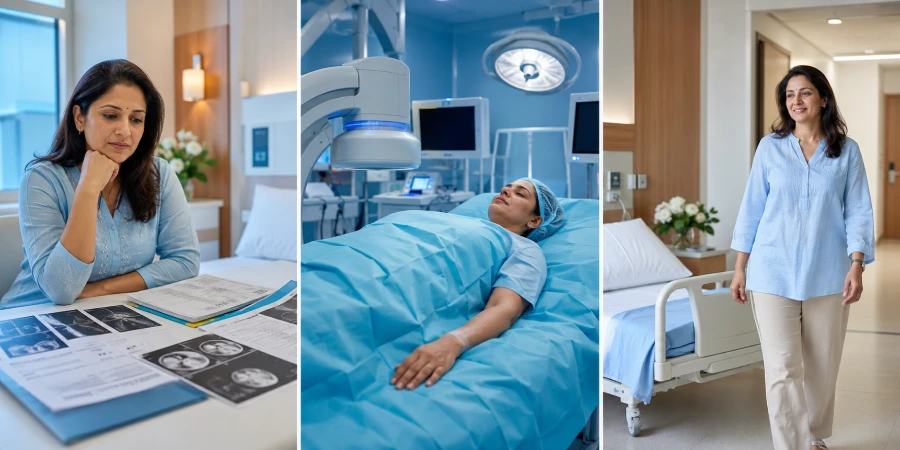
Before the Procedure
Your doctor will review your medical history, symptoms, and future pregnancy plans, followed by a pelvic examination and imaging tests. Blood tests, pre-anaesthetic assessment, medication adjustments, and fasting instructions may be advised before treatment.
During the Procedure
The procedure depends on the recommended treatment. Medicines, Uterine Fibroid Embolisation (UFE), Myomectomy, or Radiofrequency Ablation (RFA) may be performed to relieve symptoms while preserving the uterus whenever clinically appropriate.
After the Procedure
You will be monitored before discharge, with the length of hospital stay depending on the treatment performed. Mild cramping is common initially, and most women gradually resume normal activities while symptoms continue improving over the following months.
What Is the Recovery Timeline?
| Time After Treatment | What You Can Expect |
|---|---|
| First 24 Hours | Pain control, early walking, hydration, and a gradual return to a normal diet. |
| 1-2 Weeks | Resume light daily activities depending on the treatment received. |
| 2-4 Weeks | Most women undergoing minimally invasive procedures return to office work and routine activities. |
| 4-6 Weeks | Healing continues, and normal physical activities may gradually resume after medical review. |
| Follow-up Visits | Regular reviews assess recovery, symptom relief, and long-term treatment outcomes. |
Cost of Fibroid Treatment
The overall cost depends on several factors, including:
- Type of fibroid treatment recommended
- Number, size, and location of the fibroids
- Diagnostic investigations and imaging
- Surgical complexity and technology used
- Anaesthesia and operating theatre charges
- Hospital stay and postoperative care
- Insurance coverage and cashless eligibility
What Are the Risks and Who Is Not a Suitable Candidate?
Benefits come with potential risks, making a personalised evaluation essential before choosing the most suitable option.

Possible risks include:
- Bleeding requiring additional medical treatment.
- Infection needing medicines or further care.
- Injury to nearby pelvic organs.
- Blood clot formation after surgery.
- Anaesthesia-related complications during treatment.
- Fibroid recurrence after uterus-preserving treatment.

You May Not Be Suitable If
- Symptoms respond well to non-surgical treatment.
- Medical conditions increase surgical treatment risks.
- Fibroid location requires another surgical approach.
- Further investigations are needed before treatment.
- Another gynaecological condition requires different management.
Frequently Asked Questions
Can a large uterine growth shrink naturally?
Before menopause, spontaneous shrinkage is uncommon. Most remain stable or slowly enlarge over months or years. Regular review every 6-12 months, or earlier if symptoms worsen, helps monitor changes.
When should heavy periods no longer be ignored?
Medical evaluation is recommended if bleeding lasts more than 7 days, requires changing a pad every 1-2 hours, causes dizziness or fatigue, or interferes with normal daily activities.
Can these growths affect bladder or bowel function?
Yes. Larger growths can compress nearby organs, leading to frequent urination, difficulty emptying the bladder, constipation, or persistent pelvic pressure that gradually becomes more noticeable.
Is pregnancy still possible before receiving treatment?
Yes. Many women conceive naturally. However, the chances depend on the size, number, and location of the growths, particularly if they distort the uterine cavity.
Can menopause stop the problem from progressing?
In many women, reduced hormone levels after menopause cause these growths to stop enlarging or gradually decrease in size. Any new bleeding after menopause requires prompt medical assessment.
Which scans provide the most accurate assessment?
A pelvic ultrasound is usually the first investigation. An MRI may be recommended for larger, multiple, or complex growths when detailed mapping is needed before planning treatment.
What should be carried to the first appointment?
Bringing previous ultrasound or MRI reports, blood investigations, medication lists, menstrual records, and earlier treatment details helps the specialist compare findings and plan further care more efficiently.
How long do diagnostic tests usually take?
A pelvic ultrasound generally takes 15-30 minutes. If an MRI is required, the scan usually takes 30-45 minutes, depending on the complexity of the examination.
Will an overnight hospital stay always be required?
No. The duration depends on the planned procedure, overall health, and recovery after anaesthesia. Some women return home the same day, while others may require observation.
How often are follow-up visits required?
The first review is commonly scheduled within 1-2 weeks after a procedure. Long-term follow-up may continue every 6-12 months, depending on symptoms, imaging findings, and future pregnancy plans.