
Uterine Prolapse Treatment in Kolkata
Share your symptoms with Dr Pallab Roy and get personalised vaginal prolapse treatment guidance.
★ 5.0 Google Rating (1000+ Reviews)
2,000+ Surgeries Performed
10+ Years of Experience

Uterine prolapse treatment restores the uterus when weakened pelvic floor muscles and supporting ligaments cause it to descend into the vagina. Depending on severity, treatment may include pelvic floor exercises, pessary treatment, robotic sacrohysteropexy, or other pelvic floor repair procedures.
Uterine Prolapse Treatment at a Glance
| Parameter | Details |
|---|---|
| Procedure Duration | 1.5-3 hours for surgery, depending on the procedure. |
| Anaesthesia Type | General or regional anaesthesia for surgery. Non-surgical treatment usually requires none. |
| Hospital Stay | 1-2 days after surgery. Non-surgical treatment is usually outpatient. |
| Recovery Time | Recovery varies. Most women return to routine activities within 2-6 weeks after surgery. |
| Stitches / Scars | Small incisions with minimally invasive surgery; no abdominal scar with selected vaginal procedures. |
| Insurance / Cashless Facility | Available at selected hospitals, subject to insurance approval. |
Patient Experiences

Abira Biswas
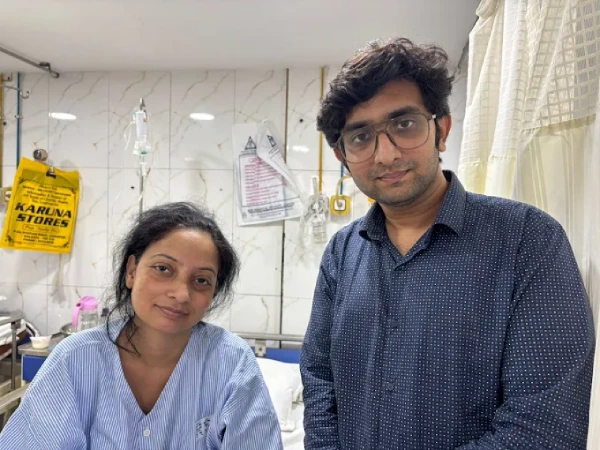
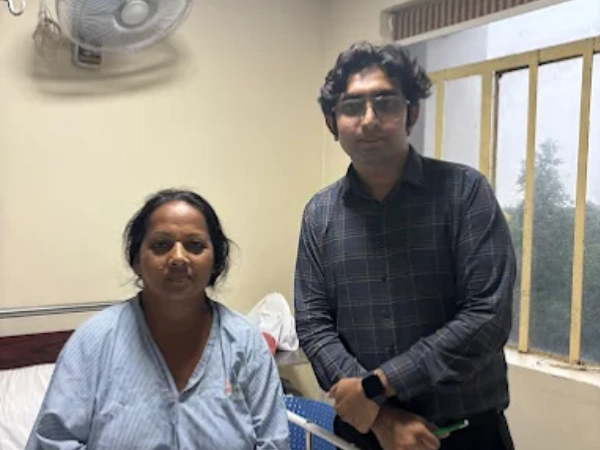
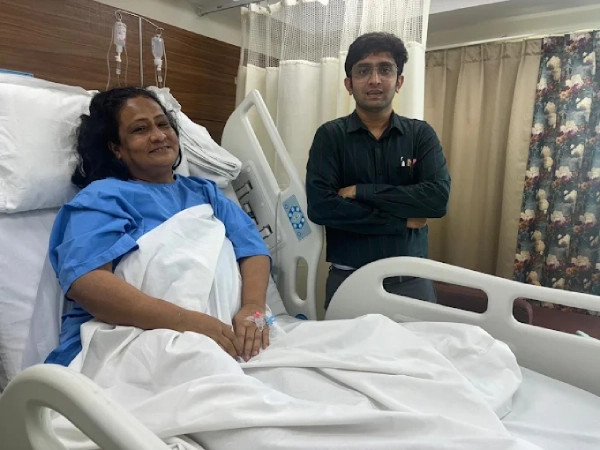
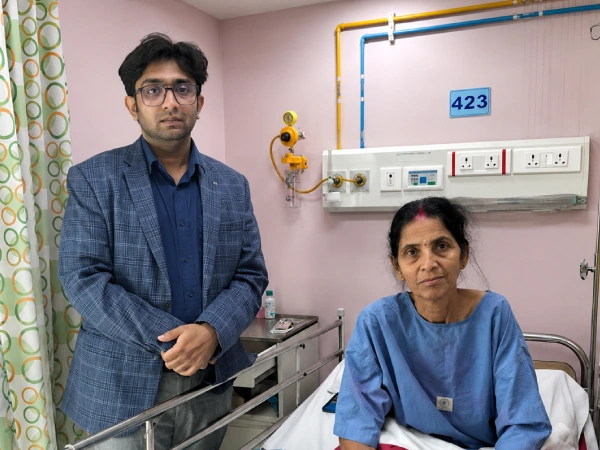
He's a good doctor, he always answers your call. He's like a god in the form of a doctor. He listened to my concerns and provided clear, reassuring explanations. One of the best gynecologists in Kolkata 🙂
Rishika Tewari
Dr. Pallab Roy performed my mother's total laparoscopic hysterectomy on 07/05/26. Great surgeon and the best doctor for laparoscopic hysterectomy.
Koyel Adhikary
Dr. Pallab Roy is very professional, caring, and attentive. The treatment was excellent, and the staff was friendly. Highly recommended.
Binita Baral
I had been struggling with a problem for a long time. After consulting Dr. Pallab Roy, I am completely healthy. Thank you, sir.








What Symptoms May Indicate the Need for Uterine Prolapse Treatment?
Uterine prolapse treatment may be recommended if you have
- A feeling of heaviness or pressure in the pelvis
- A bulge or tissue protruding from the vagina
- Difficulty emptying the bladder completely
- Frequent urination or urinary leakage
- Difficulty passing stools or a sensation of incomplete bowel emptying
- Lower back discomfort associated with pelvic pressure
- Symptoms of prolapse after delivery that persist or recur

Why Choose Dr Pallab Roy As Your Surgeon?
- Thorough assessment by a pelvic organ prolapse specialist
- Expertise in advanced robotic prolapse surgery
- Experience in pelvic floor repair procedures
- Personalised treatment for every stage of prolapse
- Comprehensive care from consultation to recovery
Schedule Your Consultation Today
Speak to Dr Pallab Roy to find out whether observation, medicines, or surgery is the right treatment option for your condition.
What Are the Treatment Options for Uterine Prolapse?
| Time After Treatment | What To Expect |
|---|---|
| Week 1 | Rest is recommended, with short walks encouraged to improve circulation. Avoid lifting objects heavier than 2.5 kg and minimise bending or twisting movements. |
| Weeks 2-6 | Walking can be increased gradually as comfort improves. Driving may be resumed once you are no longer taking prescription pain medication and can drive safely. |
| Weeks 2-6 | Sexual intercourse, tampon use, and douching should be avoided until your doctor confirms adequate healing, usually after the follow-up assessment. |
| After 6 Weeks | Your doctor will assess healing during follow-up visits and advise when it is safe to resume low-impact exercise, light lifting, and other routine activities. |
| Follow-up Visits | Scheduled appointments help monitor recovery, assess pelvic support, and guide your return to normal activities. |
What Happens During Uterine Prolapse Treatment?

Before the Procedure
Your doctor will review your medical history, symptoms, and pelvic examination findings to determine the severity of the prolapse and recommend the most appropriate vaginal prolapse treatment. Blood and urine tests, pelvic imaging, and a pre-anaesthetic assessment may be required before surgery. You will also receive instructions about fasting, medicines, and hospital admission.
During the Procedure
Mild cases may be managed with pelvic floor exercises or pessary treatment, while advanced prolapse may require surgery. Depending on your condition, minimally invasive procedures such as Robotic sacrohysteropexy or cystocele rectocele repair may be performed under general or regional anaesthesia to restore normal pelvic support.
After the Procedure
After surgery, you will be monitored in the recovery area before returning to your hospital room. Most patients are discharged within one to three days, depending on the procedure performed. Mild vaginal bleeding or discharge may occur during recovery. Heavy lifting, strenuous exercise, and sexual intercourse should be avoided for four to six weeks. Follow-up visits recommended.
What Is the Recovery Timeline?
| Time After Treatment | What You Can Expect |
|---|---|
| First 24 Hours | Walking is usually encouraged, and any discomfort is managed with prescribed medication. |
| 1-2 Weeks | Most women gradually become more comfortable with light daily activities while avoiding heavy lifting and strenuous exercise. |
| 2-6 Weeks | Many patients progressively return to routine activities, depending on the treatment performed and their individual recovery. |
| 6 Weeks and Beyond | Your doctor will assess healing and advise when it is safe to resume exercise, work, and other activities. |
| Follow-up Visits | Scheduled appointments help monitor healing, assess pelvic support, and guide your recovery. |
Cost of Uterine Prolapse Treatment
The overall cost may depend on factors such as:
- Type of treatment recommended
- Severity of the prolapse
- Hospital and operating theatre charges
- Diagnostic investigations before treatment
- Anaesthesia and surgical consumables (for surgery)
- Duration of hospital stay, where applicable
- Insurance or cashless approval, where applicable
What Are the Risks and Who Is Not a Suitable Candidate?
Uterine prolapse treatment carries some risks too.

Possible risks include:
- Vaginal tissue irritation and open sores
- Foul-smelling discharge and frequent infections
- Severe bleeding or anesthesia reactions
- Accidental bladder or bowel tissue injury
- Prolapse returning or worsening over time
- New or worsened stress urinary incontinence
- Synthetic mesh erosion through vaginal walls
- Chronic pelvic pain or painful intercourse

You may not be a suitable candidate if you have:
- Active pelvic or urinary tract infections
- Unexplained abnormal uterine or vaginal bleeding
- Severe medical conditions preventing safe anesthesia
- Poor tissue healing or uncontrolled diabetes
- Plans for future pregnancy and childbirth
Frequently Asked Questions
Can untreated uterine prolapse become dangerous?
Untreated uterine prolapse is rarely life-threatening, but severe cases can cause urinary retention, recurrent urinary tract infections, or vaginal ulceration, making timely medical evaluation important.
Does every woman with uterine prolapse need a hysterectomy?
No. A hysterectomy is not always required. Some women are suitable for uterus-preserving treatment, depending on prolapse severity, age, overall health, and future fertility plans.
Is it common for women to delay seeking treatment?
Yes. Many women postpone medical care because they assume symptoms are part of ageing or childbirth. Delayed treatment can affect pelvic health and overall quality of life.
Can uterine prolapse come back after successful treatment?
Yes. Recurrence can occur, particularly in women with connective tissue weakness, chronic constipation, obesity, or repeated heavy lifting. Long-term outcomes vary between individuals.
When can normal daily activities be resumed?
Most women gradually resume light daily activities within 1-2 weeks and return to routine work within 2-6 weeks, depending on healing and their doctor's recommendations.
How is uterine prolapse diagnosed?
Diagnosis is based on medical history and a pelvic examination. Doctors commonly use the Pelvic Organ Prolapse Quantification (POP-Q) system, with additional tests when clinically indicated.
When should a woman seek medical advice?
Medical assessment is recommended if a woman notices a vaginal bulge, persistent pelvic pressure, bladder problems, bowel difficulties, or symptoms that interfere with normal daily life.
How is the most suitable treatment decided?
Doctors consider the prolapse stage, symptom severity, age, medical history, overall health, and future pregnancy plans before recommending the most appropriate management approach.
How often is follow-up required after treatment?
Most women attend their first postoperative review about 4-6 weeks after treatment. Further appointments depend on healing, symptoms, and the doctor's clinical assessment.
Can older women safely undergo treatment?
Yes. Many older women safely receive treatment following a thorough anaesthetic assessment and medical evaluation. Recommendations are based on overall health, medical fitness, and individual treatment goals.