
Gynecologic Robotic Surgery in Kolkata
Dr Pallab Roy offers precise robotic-assisted keyhole surgery for faster, smoother recovery
10+ Years of Experience
2,000+ Surgeries Performed
★ 5.0 Google Rating (1000+ Reviews)
MBBS, MS (O&G), FMAS
Obstetrician, Gynaecologist & Laparoscopic Surgeon
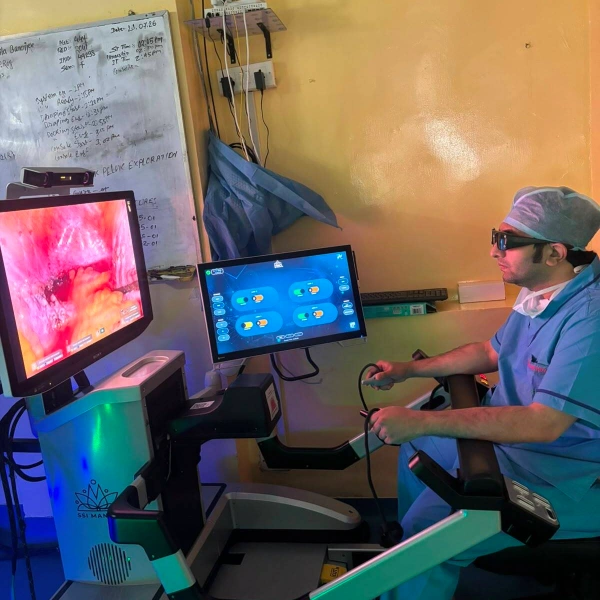
Robotic-assisted gynaecologic surgery allows many women to undergo complex pelvic procedures with greater precision, smaller incisions and faster recovery than traditional open surgery when clinically appropriate.
When Is Robotic Gynaecology Surgery the Right Option for You?
You May Benefit If You Have
- Large uterine fibroids
- Multiple fibroids
- Deep endometriosis
- Large ovarian cysts
- Early-stage gynaecological cancer
- Dense pelvic adhesions
- Complex hysterectomy needs
- Previous pelvic surgery
- Recurrent pelvic disease
- Pelvic organ prolapse
- Distorted pelvic anatomy
- Difficult surgical access
Why Robotic Technology Makes Complex Surgery Easier
- High-definition three-dimensional visualisation
- Tremor filtration for stable movements
- Wristed instruments with improved flexibility
- Better access to deep pelvic spaces
- Precise tissue handling and reconstruction
- Improved preservation of healthy tissue
What Could This Mean for Your Recovery?
- Lower risk of surgical complications
- Less blood loss and post-operative pain
- Smaller incisions with faster healing
- Shorter hospital stay
- Earlier return to everyday activities
- Better long-term functional outcomes

Which Gynaecological Conditions Can Be Treated Using Robotic Surgery?
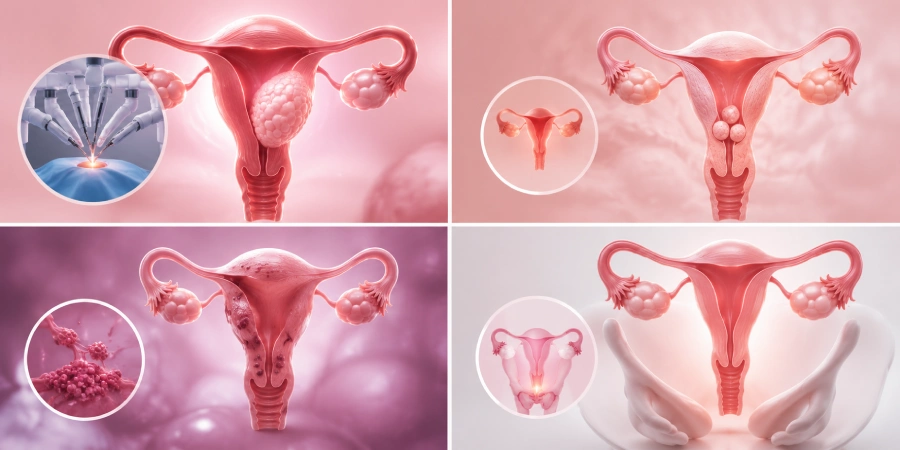
Robotic Hysterectomy and Uterine Surgery
This approach may be recommended for women with large uterine fibroids, adenomyosis or chronic pelvic pain when hysterectomy is necessary. It is particularly valuable in complex hysterectomy cases involving previous pelvic surgery, distorted anatomy or selected early-stage gynaecological cancers.
Fibroid Surgery While Preserving the Uterus
Women planning a future pregnancy may be suitable candidates for robotic myomectomy, especially when treating multiple or deeply embedded fibroids. Improved surgical precision supports uterus preservation and careful reconstruction of the uterine wall while effectively removing fibroids.
Endometriosis and Ovarian Surgery
Robotic surgery is frequently considered for deep endometriosis, recurrent disease and complex pelvic adhesions. It is also used for ovarian cyst removal, helping preserve healthy ovarian tissue whenever possible and supporting future fertility planning.
Cancer and Pelvic Reconstructive Surgery
Selected women with early uterine cancer may benefit from the procedure after appropriate staging and assessment. It is also used for pelvic organ prolapse, where careful pelvic reconstruction helps restore pelvic support while treating complex pelvic conditions.
Patient Experiences

Abira Biswas
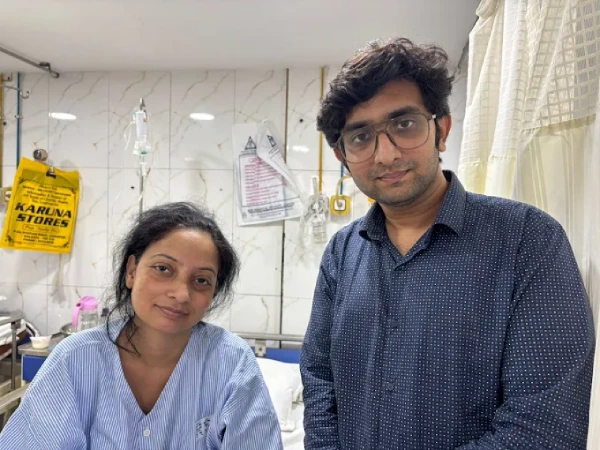
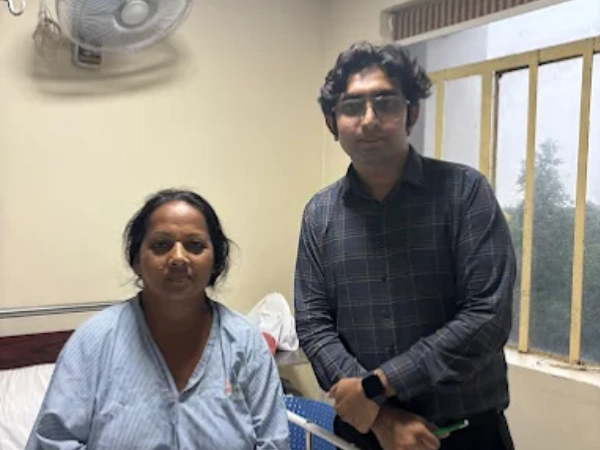
He's a good doctor, he always answers your call. He's like a god in the form of a doctor. He listened to my concerns and provided clear, reassuring explanations. One of the best gynecologists in Kolkata 🙂
Rishika Tewari
Dr. Pallab Roy performed my mother's total laparoscopic hysterectomy on 07/05/26. Great surgeon and the best doctor for laparoscopic hysterectomy.
Koyel Adhikary
Dr. Pallab Roy is very professional, caring, and attentive. The treatment was excellent, and the staff was friendly. Highly recommended.
Binita Baral
I had been struggling with a problem for a long time. After consulting Dr. Pallab Roy, I am completely healthy. Thank you, sir.
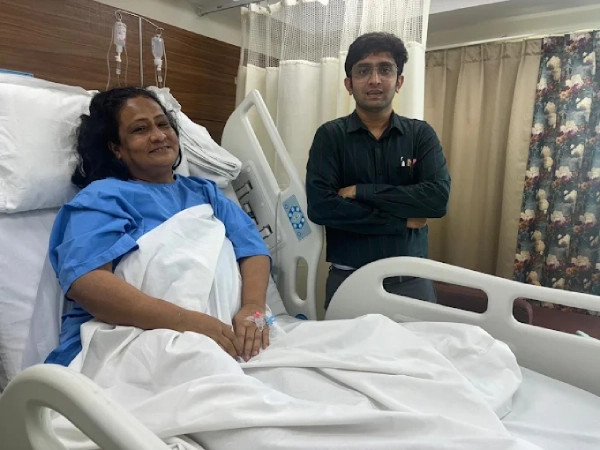
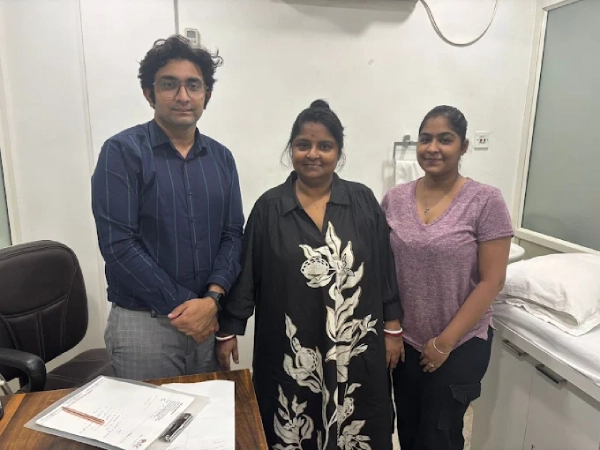

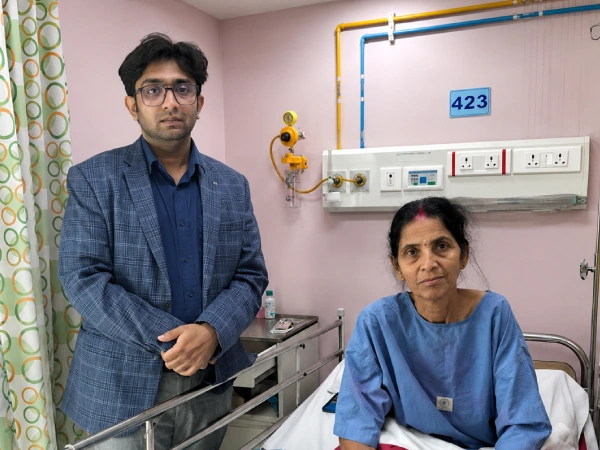






Why Do Women Choose Dr Pallab Roy for Robotic Gynaecology Surgery?

Experience That Supports Better Surgical Decisions
- Expertise in minimally invasive gynaecological surgery
- Advanced robotic and laparoscopic surgical skills
- Organ-preserving approach whenever appropriate
- Ethical recommendations based on clinical need
- Focus on safer surgery and faster recovery

Every Treatment With the Right Surgical Assessment
- Understanding your diagnosis
- Determining whether the procedure is appropriate
- Comparing all available treatment options
- Discussing expected recovery
- Planning long-term surgical outcomes
What To Expect Before, During and After Gynaecologic Robotic Surgery?
Before Your Procedure
Before surgery, your consultation includes a clinical examination, pelvic imaging, blood investigations, anaesthesia assessment and personalised surgical planning. These evaluations confirm whether the procedure is appropriate and help prepare you for a safe procedure.
During Your Procedure
The operation is performed through small keyhole incisions using an advanced robotic platform that remains fully controlled by your surgeon. Enhanced visualisation and precise instrument movement allow delicate pelvic surgery while minimising unnecessary tissue handling.
After Your Procedure
Following surgery, recovery focuses on early mobilisation, pain management, wound care, a short hospital stay and scheduled follow-up visits. Recovery recommendations are personalised according to your procedure and overall health.
Don't Let the Wrong Surgical Approach Decide Your Recovery
The right procedure begins with the right surgical judgement.
Consult Dr Pallab Roy to understand whether robotic gynaecology surgery is the safest, most effective treatment option for your condition before making any decision.
How Long Does Recovery Usually Take?
| Timeline | What Most Women Experience |
|---|---|
| Day 1 | Walking with assistance is usually encouraged. |
| Week 1 | Home recovery with less discomfort and smaller scars. |
| Week 2 | Gradually return to light daily activities with improving mobility. |
| Weeks 3-4 | Many women return to office work, depending on their recovery and the procedure. |
| Weeks 4-6 | Most routine activities can usually be resumed after medical clearance. |
What Can Support a Smoother Recovery?
- Early walking as advised
- Adequate hydration and nutrition
- Taking prescribed medications
- Avoiding heavy lifting during healing
- Attending scheduled follow-up appointments
- Following personalised recovery instructions
How Is Robotic Surgery Different From Laparoscopic and Open Surgery?
| Surgical Feature | Robotic-Assisted Surgery | Laparoscopic Surgery | Open Surgery |
|---|---|---|---|
| Incision Size | Small keyhole | Small keyhole | Larger incision |
| Surgical View | 3D magnified vision | HD vision | Direct vision |
| Instrument Movement | Wristed instruments | Straight instruments | Hand-held instruments |
| Precision | Enhanced | Good | Conventional |
| Tissue Handling | More precise | Good | Conventional |
| Hospital Stay | Usually shorter | Usually shorter | Often longer |
| Recovery | Earlier for suitable patients | Faster than open surgery | Usually longer |
What Risks Should You Understand Before Surgery?
Every surgical procedure carries potential risks.

Possible Surgical Risks
- Bleeding
- Infection
- Anaesthesia-related complications
- Injury to surrounding organs
- Blood clots
- Conversion to open surgery

How Your Safety Is Prioritised
- Comprehensive pre-operative evaluation
- Careful patient selection
- Individualised surgical planning
- Evidence-based clinical protocols
- Continuous monitoring during surgery
- Structured post-operative follow-up
What Factors Influence the Overall Cost of Robotic Surgery?
The cost of robotic gynae surgery varies because every procedure is planned according to your diagnosis, surgical complexity and hospital requirements.
Treatment Costs May Depend On
- Type of procedure performed
- Surgical complexity
- Hospital admission duration
- Diagnostic investigations
- Robotic surgical consumables
- Insurance eligibility and coverage
Your Consultation Includes
- Diagnosis review
- Discussion of treatment options
- Transparent cost explanation
- Recovery planning
- Follow-up schedule
- Patient counselling

Frequently Asked Questions
Can women with obesity still undergo advanced minimally invasive treatment?
A higher body weight does not automatically prevent treatment. The decision depends on overall fitness, associated medical conditions, anaesthetic risk and detailed pre-treatment assessment.
Can fertility be affected after treatment for complex gynaecological disorders?
The impact varies according to the underlying disease and the treatment required. Whenever medically appropriate, preserving reproductive potential is considered during treatment planning.
Does a shorter hospital admission mean healing is complete?
No. Going home earlier does not mean the body has fully healed. Internal healing continues for several weeks, making follow-up care and medical advice equally important.
Can surgery be avoided for every fibroid or endometriosis diagnosis?
No. Many women improve with medicines or observation alone. Treatment is recommended only when symptoms, complications or disease severity justify intervention.
How should someone prepare before meeting a gynaecological surgeon?
Bringing previous scan reports, laboratory results, medication details and a summary of symptoms helps the specialist understand the condition and recommend appropriate next steps.
What should be discussed before making a treatment decision?
Women should understand the diagnosis, expected benefits, possible limitations, alternative options, potential complications and the long-term plan before proceeding.
How often are follow-up appointments usually required?
The schedule depends on the condition treated, individual progress and healing. Most women require regular reviews initially before moving to less frequent follow-up visits.
Are small skin wounds less likely to become infected?
Smaller skin openings may reduce wound-related complications compared with larger abdominal incisions, although infection remains a recognised risk with any operation.
Can everyday activities be resumed immediately after discharge?
Returning to normal activities should be gradual. The timing varies according to individual healing, and strenuous work or exercise should only begin after medical approval.