
Robotic & Laparoscopic Hysterectomy in Kolkata
If you are considering this treatment, consult Dr Pallab Roy for a personalised evaluation to determine the most suitable approach for your condition.
★ 5.0 Google Rating (1000+ Reviews)
2,000+ Surgeries Performed
10+ Years of Experience

Robotic & laparoscopic hysterectomy is a minimally invasive procedure that removes the uterus through small incisions instead of a large abdominal cut. Using advanced surgical technology, it offers greater precision, less pain, minimal blood loss, and a faster recovery time.
Robotic & Laparoscopic Hysterectomy at a Glance
| Parameter | Details |
|---|---|
| Procedure Duration | Approximately 1.5-3 hours (depending on the condition) |
| Anaesthesia Type | General anaesthesia |
| Hospital Stay | Usually 1-2 days |
| Recovery Time | Most patients resume routine activities within 2-4 weeks, depending on the procedure and overall health |
| Stitches / Scars | Small keyhole incisions with minimal scarring |
| Insurance / Cashless Facility | Available at selected network hospitals (subject to policy approval) |
Patient Experiences

Abira Biswas
He's a good doctor, he always answers your call. He's like a god in the form of a doctor. He listened to my concerns and provided clear, reassuring explanations. One of the best gynecologists in Kolkata 🙂
Rishika Tewari
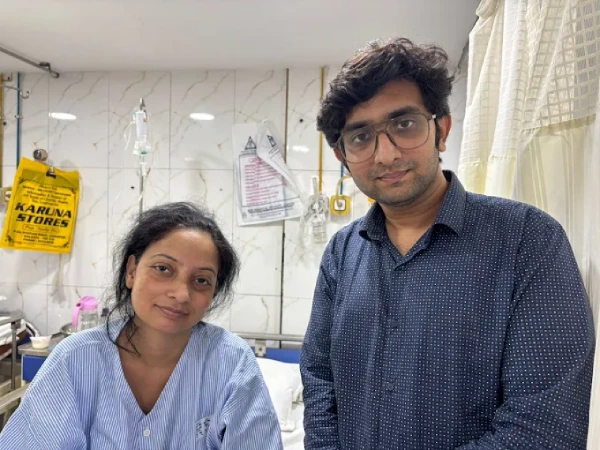
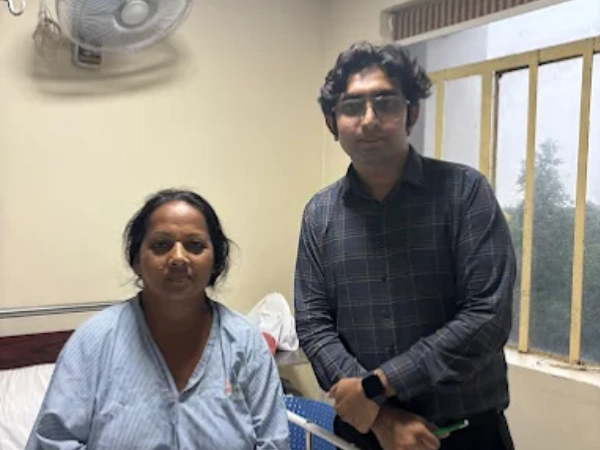
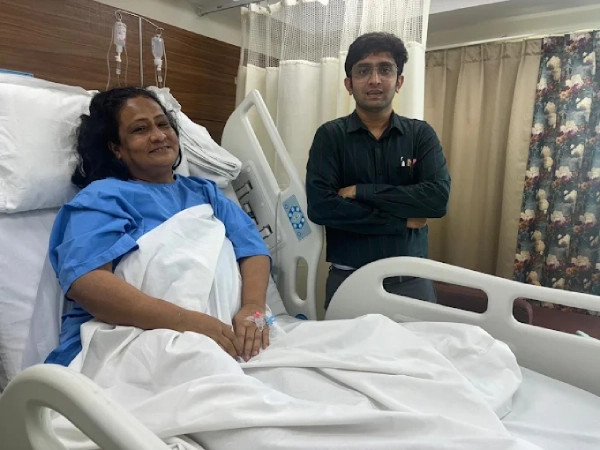
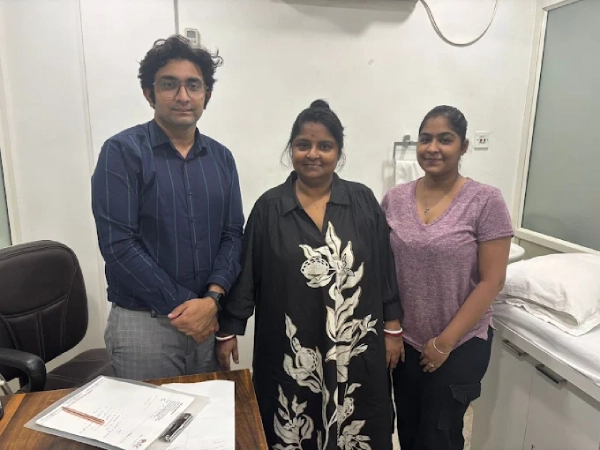
Dr. Pallab Roy performed my mother's total laparoscopic hysterectomy on 07/05/26. Great surgeon and the best doctor for laparoscopic hysterectomy.
Koyel Adhikary
Dr. Pallab Roy is very professional, caring, and attentive. The treatment was excellent, and the staff was friendly. Highly recommended.
Binita Baral
I had been struggling with a problem for a long time. After consulting Dr. Pallab Roy, I am completely healthy. Thank you, sir.







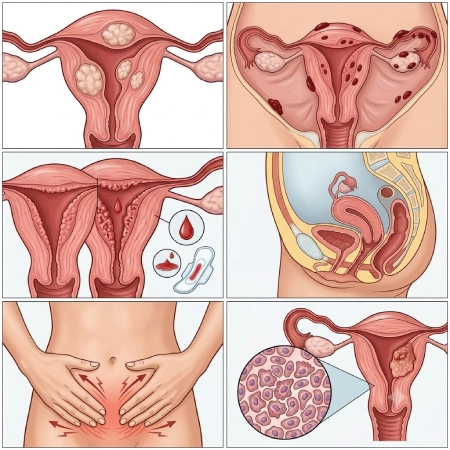
What Symptoms May Indicate the Need for a Hysterectomy?
A hysterectomy may be considered if you have
- Heavy or prolonged menstrual bleeding
- Chronic pelvic pain or pelvic pressure
- Large or multiple uterine fibroids
- Severe endometriosis or adenomyosis
- Abnormal bleeding after menopause
- Uterine prolapse causing heaviness or bulging
- Certain precancerous or cancerous conditions
Why Choose Dr Pallab Roy As Your Gynae Surgeon?
- Thorough evaluation before recommending surgery
- Expertise in complex benign gynaecological conditions
- Personalised treatment for every patient
- Advanced evidence-based surgical techniques
- Complete care from consultation to recovery
Schedule Your Consultation Today
Speak to Dr Pallab Roy to find out whether observation, medicines, or surgery is the right treatment option for your condition.
What Are the Treatment Options for Hysterectomy?
| Treatment Option | How It Is Performed | Suitable For |
|---|---|---|
| Robotic Hysterectomy | Robotic-assisted surgery through small incisions with enhanced precision | Complex gynaecological conditions requiring advanced surgical accuracy |
| Total Laparoscopic Hysterectomy | The uterus is removed using specialised laparoscopic instruments through small abdominal incisions | Fibroids, adenomyosis, abnormal uterine bleeding, endometriosis, and selected benign uterine conditions |
| Vaginal Hysterectomy | The uterus is removed through the vagina without abdominal incisions | Selected cases of uterine prolapse and appropriate benign conditions |
| Open Hysterectomy | Surgery is performed through a larger abdominal incision | Large uterine masses, certain cancers, or situations where minimally invasive surgery may not be suitable |
What Happens During Robotic & Laparoscopic Hysterectomy?
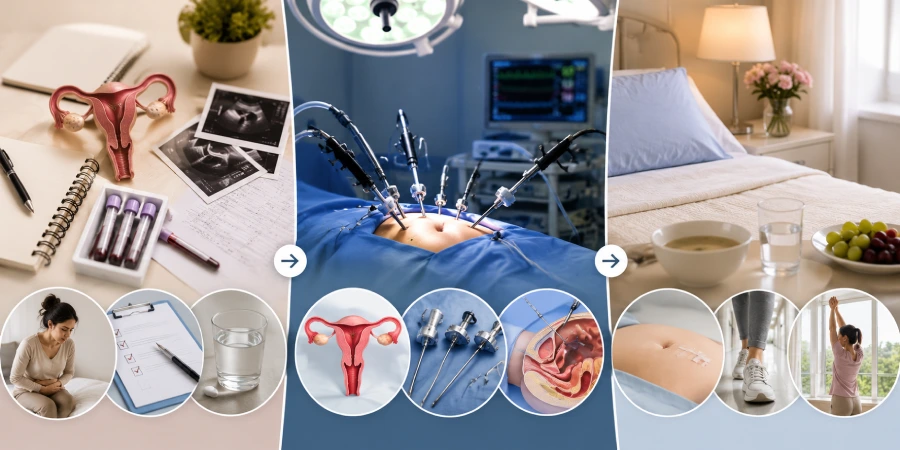
Before the Procedure
Your doctor will review your medical history, symptoms, blood investigations, and imaging reports before performing a physical examination and pre-anaesthetic assessment. You will also receive instructions about fasting, medicines, and hospital admission.
During the Procedure
The surgery is performed under general anaesthesia through small abdominal incisions using specialised instruments. A total/subtotal hysterectomy may be performed while preserving other organs when appropriate. Throughout the procedure, the surgeon carefully protects the bladder, bowel, and nearby blood vessels.
After the Procedure
After surgery, you will be monitored in the recovery area before returning to your hospital room. Gentle walking is encouraged early to support healing and reduce complications. Most patients are discharged within one or two days, depending on their recovery.
What Is the Recovery Timeline?
| Time After Surgery | What You Can Expect |
|---|---|
| First 24 Hours | Walking is usually encouraged, and pain is managed with medication. |
| 1-2 Weeks | Most women feel more comfortable performing light household activities while avoiding heavy lifting. |
| 2-4 Weeks | Many patients gradually return to office work and routine daily activities, depending on their recovery progress. |
| 4-6 Weeks | Internal healing continues, and your doctor may advise resuming exercise and other activities after review. |
| Follow-up Visits | Scheduled appointments help monitor healing and ensure a safe recovery. |
Cost of Robotic & Laparoscopic Hysterectomy
The overall cost may depend on factors such as:
- Type of hysterectomy recommended
- Complexity of the procedure
- Hospital and operating theatre charges
- Diagnostic investigations before surgery
- Duration of hospital stay
- Anaesthesia and surgical consumables
- Insurance or cashless approval, where applicable
What Are the Risks and Who Is Not a Suitable Candidate?
Like all surgical procedures, robotic and laparoscopic hysterectomies carry some risks.

Possible risks include:
- Bleeding during or after surgery
- Infection at the surgical site
- Injury to the bladder, bowel, or ureter
- Blood clot formation
- Anaesthesia-related complications
- Rare conversion to open surgery

You may not be a suitable candidate if you have:
- A very large uterus
- Extensive abdominal scar tissue
- Certain advanced gynaecological cancers
- Medical conditions affecting anaesthesia safety
- Comparison with open surgery suggests a safer alternative
Frequently Asked Questions
Can menopause occur after a hysterectomy?
Not necessarily. Menopause usually occurs only if both ovaries are removed during surgery. If your ovaries are preserved, they generally continue producing hormones, even after the uterus has been removed.
Can a hysterectomy affect my married or intimate life?
After complete healing, most women resume their normal intimate life. Many also find that symptoms such as heavy bleeding or chronic pelvic pain improve, which can have a positive impact on their quality of life.
Is robotic hysterectomy always better than laparoscopic hysterectomy?
Not always. Both are minimally invasive procedures, and the most suitable option depends on your condition, medical history, and the complexity of surgery. Your surgeon will recommend the approach that is safest and most appropriate for you.
Can fibroids or other uterine problems come back after a hysterectomy?
Because the uterus is removed during a hysterectomy, uterine fibroids cannot return. However, if you have other gynaecological conditions involving nearby organs, you may still require ongoing medical care.
Will I need a blood transfusion during surgery?
Most women undergoing robotic or laparoscopic hysterectomy do not require a blood transfusion because these procedures usually involve less blood loss. However, the need depends on your individual condition and the complexity of the surgery.
Can robotic or laparoscopic hysterectomy be converted to open surgery?
In some uncommon situations, your surgeon may decide to convert to an open procedure if it is the safest option during surgery. This decision is made only when necessary to achieve the best possible outcome.
When is a robotic or laparoscopic hysterectomy recommended?
Your gynaecological surgeon will assess your symptoms, examination findings, scan reports, medical history, and previous treatments before recommending the most suitable surgical approach for your condition.
How to prepare before surgery?
Your doctor may recommend blood tests, imaging, and a pre-anaesthetic assessment before surgery. You will also receive instructions about fasting, medications, hospital admission, and what to expect on the day of the procedure.
When is it safe to drive, travel, or return to work after surgery?
Recovery differs for every woman, but many gradually return to office work, driving, and routine travel within a few weeks. Your doctor will advise you based on your recovery progress and the nature of your daily activities.
Are follow-up appointments necessary after a hysterectomy?
Yes. Follow-up appointments help your surgeon monitor healing, review your recovery, address any concerns, and advise when it is safe to resume exercise, work, and other normal activities.