
Hysteroscopy Treatment in Kolkata
Dr Pallab Roy offers personalised evaluation to determine whether diagnostic & operative hysteroscopy is the most appropriate option for your condition.
★ 5.0 Google Rating (1000+ Reviews)
2,000+ Surgeries Performed
10+ Years of Experience
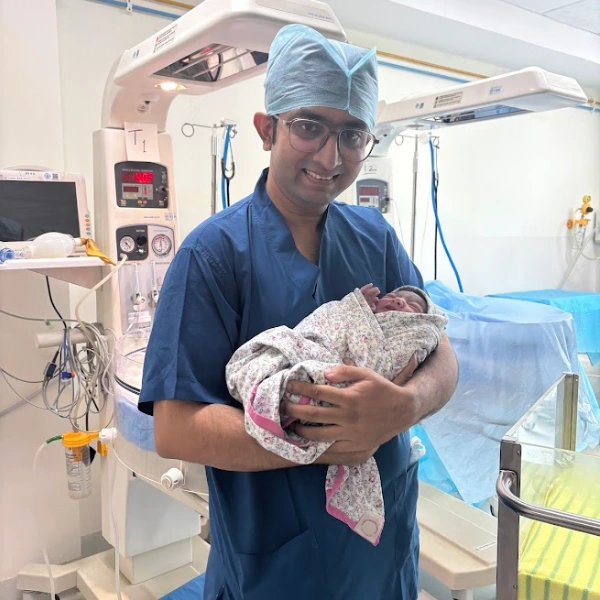
Hysteroscopy is a minimally invasive treatment used to diagnose and treat conditions affecting the inside of the uterus without making abdominal incisions. It helps evaluate abnormal uterine findings and allows precise treatment of selected conditions in a single procedure.
Hysteroscopy Treatment at a Glance
| Parameter | Details |
|---|---|
| Procedure Duration | Approximately 20-60 minutes (depending on the procedure) |
| Anaesthesia Type | Local, regional, or general anaesthesia as per the procedure |
| Hospital Stay | Usually a day-care procedure or same-day discharge |
| Recovery Time | Most patients resume routine activities within 1-3 days, as per performed procedure |
| Stitches / Scars | No external incisions or visible scars |
| Insurance / Cashless Facility | At selected hospitals (subject to policy approval) |
Patient Experiences

Abira Biswas
He's a good doctor, he always answers your call. He's like a god in the form of a doctor. He listened to my concerns and provided clear, reassuring explanations. One of the best gynecologists in Kolkata 🙂
Rishika Tewari
Dr. Pallab Roy performed my mother's total laparoscopic hysterectomy on 07/05/26. Great surgeon and the best doctor for laparoscopic hysterectomy.
Koyel Adhikary
Dr. Pallab Roy is very professional, caring, and attentive. The treatment was excellent, and the staff was friendly. Highly recommended.
Binita Baral
I had been struggling with a problem for a long time. After consulting Dr. Pallab Roy, I am completely healthy. Thank you, sir.







What Symptoms May Indicate the Need for Hysteroscopy Treatment?
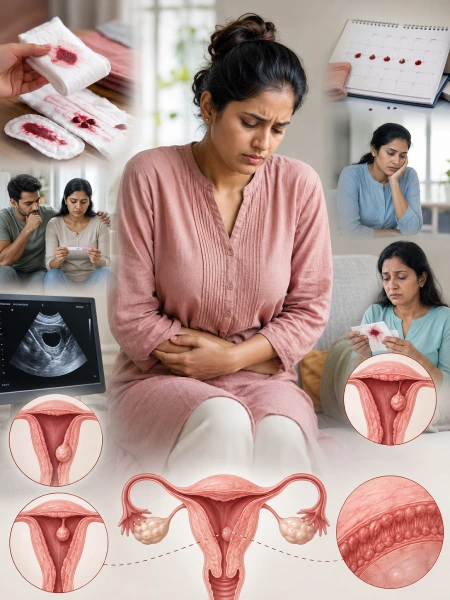
Hysteroscopy may be recommended if you have
- Heavy or prolonged menstrual bleeding
- Bleeding between menstrual periods
- Bleeding after menopause
- Recurrent miscarriage or difficulty conceiving
- Suspected uterine polyps or submucous fibroids
- Thickened uterine lining requiring further evaluation
- Abnormal ultrasound findings involving the uterine cavity
Why Choose Dr Pallab Roy As Your Gynae Surgeon?
- Thorough evaluation before recommending treatment
- Expertise in advanced hysteroscopic procedures
- Personalised treatment, including infertility evaluation
- Specialist in abnormal bleeding treatment and intrauterine procedures
- Complete care from consultation to recovery
Schedule Your Consultation Today
Speak to Dr Pallab Roy to find out whether observation, medicines, or surgery is the right treatment option for your condition.
What Are the Treatment Options for Hysteroscopy?
| Treatment Option | How It Is Performed | Suitable For |
|---|---|---|
| Diagnostic Hysteroscopy | A thin hysteroscope is inserted through the cervix to examine the uterine cavity and identify abnormalities | Evaluation of abnormal bleeding, recurrent miscarriage, infertility, or abnormal imaging findings |
| Operative Hysteroscopy | Surgical instruments are passed through the hysteroscope to perform septum resection, remove polyps and adhesions, and treat other abnormalities inside the uterus. | Removal of polyps, adhesions, uterine septum, and selected intrauterine abnormalities |
| Hysteroscopic-myomectomy | Submucous fibroids are removed through the hysteroscope without abdominal incisions | Women with symptomatic submucous fibroids causing bleeding or affecting fertility |
| Hysteroscopic Polypectomy | Endometrial polyps are removed through the hysteroscope using specialised instruments without external incisions. | Women with uterine polyps causing abnormal uterine bleeding, infertility, or recurrent miscarriage. |
What Happens During Hysteroscopy Treatment?
Before the Procedure
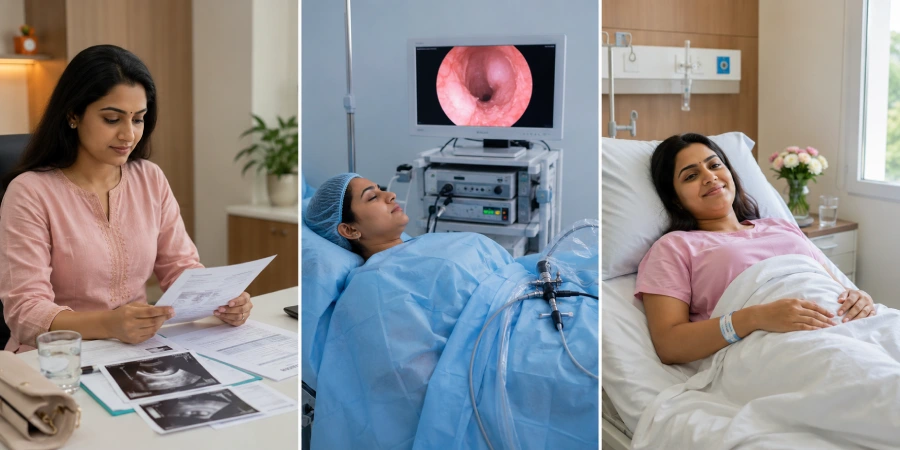
Your gynaecologist will review your medical history, symptoms, blood investigations, ultrasound findings, and other relevant reports before performing a physical examination. You will also receive instructions about fasting, medicines, and hospital admission if anaesthesia is planned.
During the Procedure
The procedure is performed by gently passing a thin hysteroscope through the vagina and cervix into the uterus, without making any external incisions. Depending on the findings, the procedure may be used to examine the uterine cavity or treat abnormalities during the same sitting. When required, polyps, submucous fibroids, adhesions, or a uterine septum are removed using specialised hysteroscopic instruments while preserving healthy uterine tissue whenever possible
After the Procedure
After the procedure, you will be monitored in the recovery area before discharge. Mild cramping or light vaginal spotting may occur for a short period. Most women return home the same day and gradually resume normal daily activities within a few days.
What Is the Recovery Timeline?
| Time After Procedure | What You Can Expect |
|---|---|
| First 24 Hours | Mild cramping or light spotting may occur. Most women can walk and return home on the same day. |
| 1-3 Days | Routine daily activities are usually resumed, although strenuous exercise should be avoided. |
| 1 Week | Most women recover completely and can gradually return to their normal routine, as advised by their doctor. |
| Follow-up Visits | Scheduled appointments help review findings, monitor recovery, and plan any additional treatment if required. |
Cost of Hysteroscopy Treatment
The overall cost may depend on factors such as:
- Type of hysteroscopy performed
- Complexity of the procedure
- Hospital and operating theatre charges
- Diagnostic investigations before the procedure
- Anaesthesia and surgical consumables
- Day-care or hospital admission requirements
- Insurance or cashless approval, where applicable
What Are the Risks and Who Is Not a Suitable Candidate?
Like all medical and surgical procedures, hysteroscopy carries some risks, although serious complications are uncommon.

Possible risks include:
- Uterine perforation: Accidental puncture of womb wall.
- Fluid overload: Fluid absorption into the bloodstream.
- Pelvic infection: Rare risk causing fever and discharge.
- Excessive bleeding: Heavy bleeding requiring medical care.
- Anesthesia reaction: Adverse response to sedation medicines.
- Uterine scarring: Development of internal scar tissue.

You may not be a suitable candidate if you have:
- Active pelvic infection: Recent or current reproductive tract inflammation.
- Confirmed ongoing pregnancy: Risk of severe harm to fetus.
- Cervical or uterine cancer: Potential spread of malignant cells.
- Severe medical illness: High risk from anesthesia or stress.
- Heavy menstrual bleeding: Poor visibility inside the uterine cavity.
Frequently Asked Questions
Can a woman become pregnant after this procedure?
If the underlying problem affecting the uterine cavity is successfully treated, fertility may improve in selected women. Pregnancy outcomes depend on age, reproductive health, and the underlying condition being treated.
Is bleeding after the procedure considered normal?
Yes. Light vaginal spotting or mild bleeding for a few days is common after a uterine procedure. Heavy bleeding, fever, severe abdominal pain, or foul-smelling discharge requires prompt medical evaluation.
Can uterine polyps or fibroids return after treatment?
Yes. Endometrial polyps and some fibroids can recur after removal. The likelihood depends on the underlying condition, age, and individual risk factors, making regular follow-up important.
Can this procedure detect uterine cancer?
It can identify abnormal areas inside the uterus and allows a uterine lining biopsy when required. A laboratory examination (histopathology) confirms whether cancer is present.
Is the procedure safe?
Yes. It is generally considered a safe uterine procedure when performed by an experienced gynaecologist. Although complications are uncommon, every procedure carries a small risk of bleeding, infection, or uterine injury.
When can a woman return to normal daily activities?
Most women resume routine activities within one to three days after an uncomplicated uterine procedure. Recovery may take longer if additional treatment is performed during the same sitting.
Does every woman require a biopsy during the procedure?
No. An endometrial biopsy is performed only when the uterine lining requires further evaluation based on symptoms, examination findings, or imaging results.
Who may benefit from this procedure?
Women with persistent abnormal uterine bleeding, repeated miscarriage, difficulty becoming pregnant, or abnormal imaging findings may benefit from evaluation of the uterine cavity by a gynaecologist.
Is hospital admission usually required?
Not always. This is usually performed as a day-care gynaecology procedure, allowing most women to return home on the same day if recovery is satisfactory.
Why is a follow-up appointment recommended?
A follow-up appointment after uterine treatment allows the doctor to review recovery, discuss biopsy results if performed, explain the findings, and decide whether any additional care is required.