
Scarless Hysterectomy in Kolkata
Selected for some benign gynaecological conditions, it offers no visible scar, less pain, minimal blood loss, and a faster recovery than traditional open surgery. Consult Dr Pallab Roy and find out whether you are suitable for the procedure or not.
★ 5.0 Google Rating (1000+ Reviews)
2,000+ Surgeries Performed
10+ Years of Experience
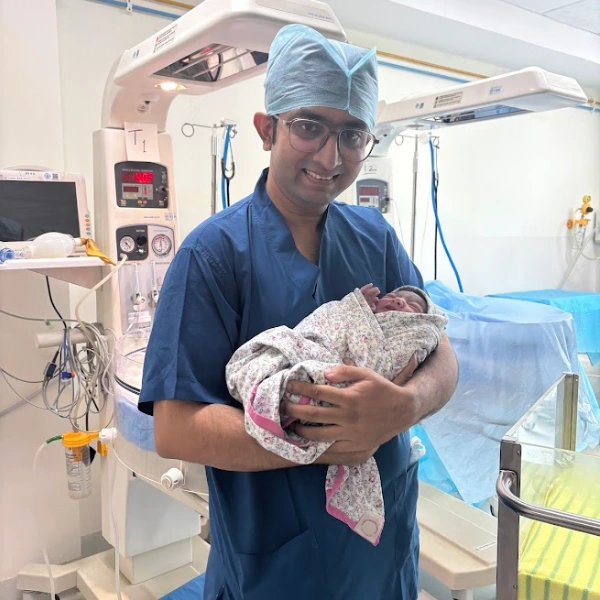
Scarless hysterectomy, also known as Non-Descent Vaginal Hysterectomy (NDVH), is a minimally invasive procedure that removes the uterus through the vagina without any abdominal incisions.
Scarless Hysterectomy at a Glance
| Parameter | Details |
|---|---|
| Procedure Duration | Approximately 1-2 hours, depending on the condition and surgical complexity |
| Anaesthesia Type | General or regional (spinal) anaesthesia, based on clinical assessment |
| Hospital Stay | Usually 1-2 days |
| Recovery Time | Most women return to routine activities within 2-4 weeks, depending on recovery |
| Stitches / Scars | No external abdominal incisions or visible scars |
| Insurance / Cashless Facility | Available at selected network hospitals, subject to policy approval |
Patient Experiences

Abira Biswas
He's a good doctor, he always answers your call. He's like a god in the form of a doctor. He listened to my concerns and provided clear, reassuring explanations. One of the best gynecologists in Kolkata 🙂
Rishika Tewari
Dr. Pallab Roy performed my mother's total laparoscopic hysterectomy on 07/05/26. Great surgeon and the best doctor for laparoscopic hysterectomy.
Koyel Adhikary
Dr. Pallab Roy is very professional, caring, and attentive. The treatment was excellent, and the staff was friendly. Highly recommended.
Binita Baral
I had been struggling with a problem for a long time. After consulting Dr. Pallab Roy, I am completely healthy. Thank you, sir.






What Symptoms May Indicate the Need for a Scarless Hysterectomy?
You may be recommended the procedure if you have
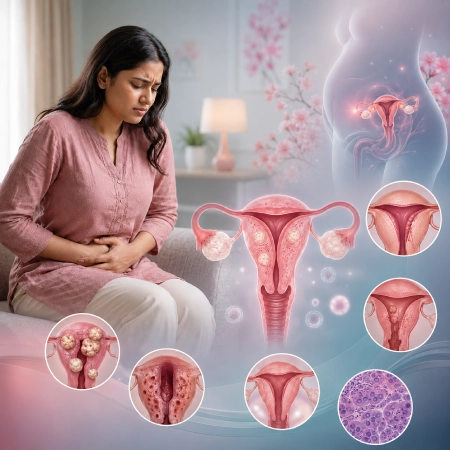
- Heavy or prolonged menstrual bleeding
- Symptomatic uterine fibroids
- Adenomyosis causing persistent pain or heavy periods
- Chronic pelvic pain
- Abnormal uterine bleeding
- Selected precancerous uterine changes
- Other benign uterine conditions
Why Choose Dr Pallab Roy As Your Surgery Specialist?
- Thorough preoperative evaluation
- Individualised surgical planning
- Expertise in vaginal hysterectomy
- Evidence-based surgical care
- Dedicated postoperative follow-up
Schedule Your Consultation Today
Speak to Dr Pallab Roy to find out whether observation, medicines, or surgery is the right treatment option for your condition.
What Are the Treatment Options for Hysterectomy?
| Treatment Option | How It Is Performed | Suitable For |
|---|---|---|
| Non-Descent Vaginal Hysterectomy (NDVH) | The uterus is removed through the vagina without abdominal incisions using specialised vaginal techniques. | Selected benign uterine conditions suitable for a vaginal approach. |
| Total Laparoscopic Hysterectomy | The uterus is removed through small abdominal incisions using laparoscopic instruments. | Fibroids, adenomyosis, abnormal uterine bleeding, endometriosis, and other benign conditions. |
| Robotic Hysterectomy | Robotic-assisted surgery is performed through small incisions for greater precision. | Selected benign and complex gynaecological conditions requiring advanced minimally invasive surgery. |
| Open Hysterectomy | The uterus is removed through a larger abdominal incision. | Large uterine masses, certain cancers, or when minimally invasive surgery is unsuitable. |
What Happens During Scarless Hysterectomy?

Before the Procedure
Your doctor will review your medical history, symptoms, blood tests, and imaging reports, followed by a physical examination and pre-anaesthetic assessment. You will also receive instructions on fasting, medications, and hospital admission before surgery.
During the Procedure
Performed under general anaesthesia, the uterus is removed through the vagina without abdominal incisions. The surgeon carefully protects the bladder, bowel, ureters, and surrounding blood vessels throughout the procedure.
After the Procedure
You will be monitored in the recovery area before returning to your room. Early walking is encouraged to support healing, and most patients are discharged within 1-2 days, depending on their recovery.
What Is the Recovery Timeline?
| Time After Surgery | What You Can Expect |
|---|---|
| First 24 Hours | Early walking, pain management, and gradual return to fluids and light meals. |
| 1-2 Weeks | Resume light daily activities; avoid heavy lifting, strenuous work, and prolonged standing. |
| 2-4 Weeks | Most women return to office work and routine activities, depending on NDVH recovery and healing. |
| 4-6 Weeks | Internal healing continues; normal activities may resume after medical clearance. |
| Follow-up Visits | Scheduled reviews monitor healing, recovery progress, and any postoperative concerns. |
Cost of Scarless Hysterectomy
The overall cost may vary depending on several factors, including:
- Type of hysterectomy recommended
- Surgical complexity
- Hospital and operating theatre charges
- Pre-operative investigations and diagnostic tests
- Anaesthesia and surgical consumables
- Hospital stay, insurance, and cashless eligibility
What Are the Risks and Who Is Not a Suitable Candidate?
No-scar uterus removal offers several benefits over abdominal routes. But Non-Descent Vaginal Hysterectomy (NDVH) is suitable only after careful clinical assessment.

Possible risks include:
- Bleeding or infection
- Injury to the bladder, bowel, or ureter
- Blood clots
- Anaesthesia-related complications
- Rare conversion to another surgical approach

You may not be a suitable candidate if:
- You have a very large uterus
- Extensive pelvic adhesions or previous surgical scarring
- Certain gynaecological cancers
- Unsuitable candidacy after clinical evaluation
Frequently Asked Questions
How successful is scarless hysterectomy for benign uterine conditions?
For carefully selected women, Non-Descent Vaginal Hysterectomy (NDVH) has reported success rates exceeding 90-95%. Proper patient selection, surgical expertise, and accurate diagnosis play the biggest roles in achieving good outcomes.
What happens if unexpected findings are discovered during scarless hysterectomy?
Patient safety always comes first. If unexpected findings arise, the surgeon may modify the surgical plan to complete the procedure safely while reducing the risk of complications.
Do women experience bladder or bowel problems after scarless hysterectomy?
No. Most women regain normal bladder and bowel function within a few days to weeks. Persistent problems are uncommon and should be evaluated promptly by a gynaecologist.
Can younger women undergo scarless hysterectomy?
Yes, if medically indicated. The decision is based on the underlying condition, symptom severity, previous treatments, and future fertility plans rather than age alone.
Do women regret having their uterus removed?
Studies show most women report improved quality of life after hysterectomy because symptoms such as heavy bleeding, pelvic pain, and pressure are permanently relieved.
How is suitability for scarless hysterectomy assessed?
Suitability is determined through a detailed consultation, pelvic examination, ultrasound findings, medical history, and overall health to confirm whether NDVH is the safest surgical option.
Should other treatments be tried before scarless hysterectomy?
In many cases, yes. Medicines, hormone therapy, or other minimally invasive treatments are usually considered first. Hysterectomy is recommended when symptoms persist or other treatments are unsuitable.
How many follow-up appointments are usually required after scarless hysterectomy?
Most women require 1-3 follow-up visits during the first 4-6 weeks. These appointments monitor healing, address concerns, and confirm when normal activities can be safely resumed.
Which symptoms require immediate medical attention after returning home?
Immediate medical review is recommended for heavy bleeding, fever above 38°C, severe pain, foul-smelling discharge, chest pain, breathing difficulty, or painful leg swelling after surgery.
What helps achieve a faster recovery after scarless hysterectomy?
Walking within 24 hours, staying hydrated, eating a protein-rich diet, avoiding heavy lifting for 4-6 weeks, and attending follow-up appointments help support a smooth recovery.