
Endometriosis Treatment in Kolkata
Dr Pallab Roy offers personalised evaluation and evidence-based care to recommend the most appropriate treatment for your condition.
★ 5.0 Google Rating (1000+ Reviews)
2,000+ Surgeries Performed
10+ Years of Experience
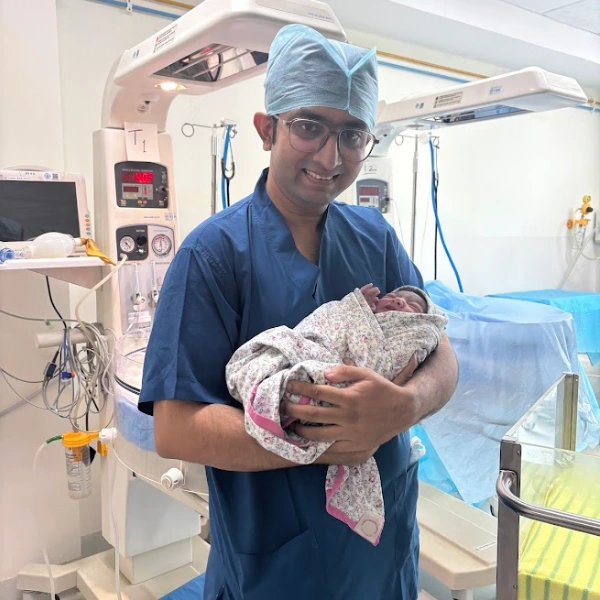
Endometriosis treatment aims to relieve pain, improve quality of life, and preserve reproductive health whenever possible. Depending on the severity of your condition, treatment may include medicines, hormonal therapy, or advanced minimally invasive surgery.
Endometriosis Treatment at a Glance
| Parameter | Details |
|---|---|
| Procedure Duration | Approximately 1.5-3 hours (depending on the extent of the disease) |
| Anaesthesia Type | General anaesthesia |
| Hospital Stay | Usually 1 day |
| Recovery Time | Most patients resume routine activities within 2-4 weeks after minimally invasive surgery, depending on the extent of treatment |
| Stitches / Scars | Small keyhole incisions with minimal scarring |
| Insurance / Cashless Facility | Only at selected hospitals (as per policy approval) |
Patient Experiences

Abira Biswas
He's a good doctor, he always answers your call. He's like a god in the form of a doctor. He listened to my concerns and provided clear, reassuring explanations. One of the best gynecologists in Kolkata 🙂
Rishika Tewari
Dr. Pallab Roy performed my mother's total laparoscopic hysterectomy on 07/05/26. Great surgeon and the best doctor for laparoscopic hysterectomy.
Koyel Adhikary
Dr. Pallab Roy is very professional, caring, and attentive. The treatment was excellent, and the staff was friendly. Highly recommended.
Binita Baral
I had been struggling with a problem for a long time. After consulting Dr. Pallab Roy, I am completely healthy. Thank you, sir.







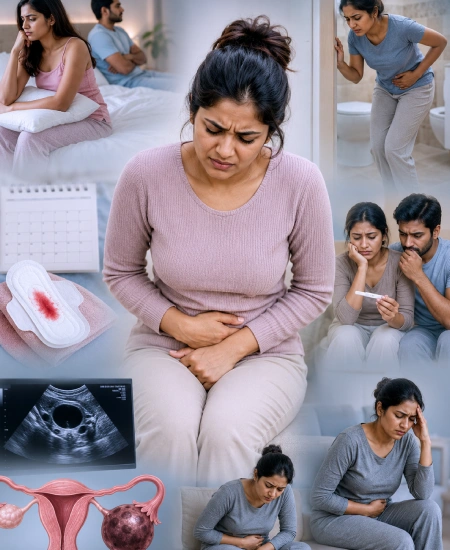
What Symptoms May Indicate the Need for Endometriosis Treatment?
Your doctor will recommend the most appropriate treatment if you experience
- Severe menstrual cramps or chronic pelvic pain
- Pain during sexual intercourse
- Pain during bowel movements or urination, especially during periods
- Heavy or irregular menstrual bleeding
- Difficulty conceiving
- Chocolate cyst detected on ultrasound
- Persistent pelvic pain despite medical treatment
Why Choose Dr Pallab Roy As Your Endometriosis Specialist?
- Thorough evaluation before recommending treatment
- Expertise in managing all stages of endometriosis
- Personalised pain & fertility management for every patient
- Proven success in advanced robotic/laparoscopic excision techniques
- Complete care from consultation to recovery
Schedule Your Consultation Today
Speak to Dr Pallab Roy to find out whether observation, medicines, or surgery is the right treatment option for your condition.
What Are the Treatment Options for Endometriosis?
| Treatment Option | How It Is Performed | Suitable For |
|---|---|---|
| Hormonal Therapy | Hormonal contraceptives, progestin therapy, or GnRH agonists and antagonists are prescribed to suppress menstruation, reduce hormonal stimulation, and help control endometriosis symptoms. | Women with mild to moderate endometriosis, chronic pelvic pain, or those seeking symptom control without immediate surgery. |
| Laparoscopic Surgery | Endometriosis lesions, ovarian endometriomas, and scar tissue are removed through minimally invasive keyhole surgery while preserving healthy reproductive organs whenever possible. | Persistent pain, ovarian endometriomas, endometriosis and infertility, or disease not responding to medicines. |
| Hysterectomy | The uterus, and in selected cases the ovaries, are surgically removed when conservative treatments have failed, and symptoms remain severe. | Women with severe endometriosis who have completed their family and have persistent symptoms despite other treatments. |
| Complementary & Lifestyle Management | Pelvic floor physiotherapy, dietary modifications, stress management, and selected integrative therapies are combined with medical treatment to improve symptom control. | Women seeking additional symptom relief alongside medical or surgical treatment. |
What Happens During Endometriosis Treatment?
Before the Procedure
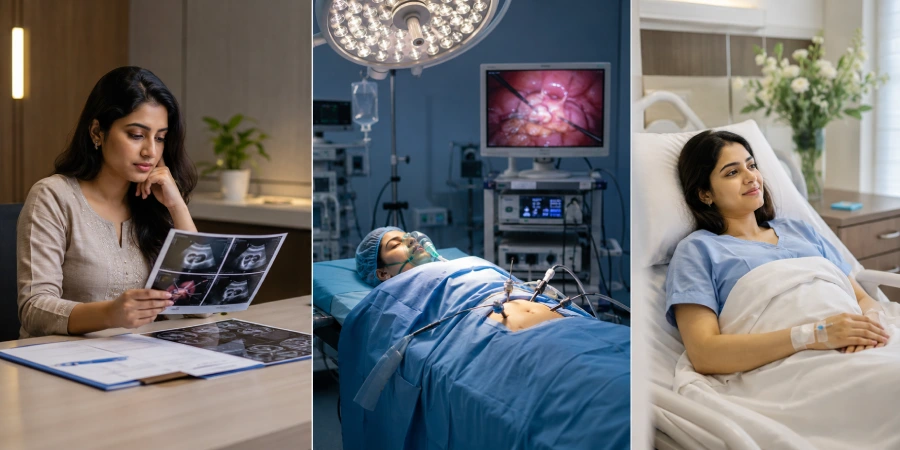
Your endometriosis specialist reviews your symptoms, medical history, fertility goals, and imaging findings. Blood tests, pelvic examination, ultrasound or MRI, and pre-anaesthetic assessment are completed. Additional imaging may be advised if deep endometriosis is suspected. Medication adjustments, fasting instructions, and pre-operative hormonal therapy may be recommended before surgery.
During the Procedure
When an operation is required, it is performed under general anaesthesia using minimally invasive techniques whenever appropriate. Through small abdominal incisions, a laparoscope and specialised instruments are used to identify and remove endometriosis lesions, scar tissue, and ovarian endometriomas while preserving healthy reproductive organs whenever possible before closing the incisions. The surgeon also evaluates surrounding pelvic structures to achieve the best possible outcome.
After the Procedure
After treatment, you will be monitored in the recovery area before returning to your hospital room. Gentle walking is encouraged early to support healing and reduce the risk of complications. Most patients undergoing minimally invasive surgery are discharged within one day, depending on their recovery.
What Is the Recovery Timeline?
| Time After Surgery | What You Can Expect |
|---|---|
| First 24 Hours | Walking is usually encouraged, and pain is managed with medication. |
| 1-2 Weeks | Most patients gradually return to light household activities while avoiding strenuous exercise and heavy lifting. |
| 2-4 Weeks | Many patients resume office work and most routine daily activities, depending on their recovery progress. |
| 4-6 Weeks | Internal healing continues, and your doctor may advise resuming exercise and other activities after review. |
| Follow-up Visits | Scheduled appointments help monitor healing and ensure a safe recovery. |
Cost of Endometriosis Treatment
The overall cost may depend on factors such as:
- Type of treatment recommended
- Severity and extent of the condition
- Hospital and operating theatre charges
- Diagnostic investigations before treatment
- Anaesthesia and surgical consumables
- Duration of hospital stay
- Insurance or cashless approval, where applicable
What Are the Risks and Who Is Not a Suitable Candidate?
Like all medical and surgical treatments, endometriosis treatment carries some risks depending on the recommended approach.

Possible risks include:
- Bone density loss from GnRH agonist treatments
- Gastrointestinal ulcers from chronic NSAID medication usage
- Blood clot risks from estrogen-based hormonal pills
- Bladder or bowel injury during laparoscopic surgery
- Surgical menopause symptoms after removing both ovaries
- High recurrence rates of tissue following excision
- Permanent infertility resulting from a complete hysterectomy

You may not be a suitable candidate if you have:
- History of blood clots blocks hormonal therapies
- Hormone-receptor cancers exclude most hormone suppression
- Low bone density prevents GnRH medication use
- Desire for pregnancy rules out irreversible hysterectomies
- Low ovarian reserve contraindicates aggressive cyst surgery
Frequently Asked Questions
Can endometriosis become cancer?
No. Endometriosis is not cancer. Although there is a small increase in the risk of certain rare ovarian cancers, most women with endometriosis never develop cancer. Regular medical follow-up helps ensure appropriate care.
Can endometriosis return after treatment?
Yes. Approximately 20-50% of women experience recurrence within five years after treatment. Regular follow-up and ongoing medical therapy may help reduce the risk of recurrence.
Can pregnancy still be possible with endometriosis?
Yes. Many women with endometriosis conceive naturally. However, 30-50% of women with endometriosis experience infertility. Early diagnosis and appropriate treatment can improve reproductive outcomes.
Can endometriosis affect the bladder or bowel?
Yes. Endometriosis can involve the bladder or bowel, causing pain during urination or bowel movements, particularly during menstruation. Early specialist evaluation helps determine the extent of disease and appropriate treatment.
Can endometriosis cause pain even between menstrual periods?
Yes. Endometriosis may cause persistent pelvic pain, lower back pain, or discomfort throughout the menstrual cycle, not only during periods. Persistent or worsening pain should always be medically evaluated.
Is severe menstrual pain always caused by endometriosis?
No. Severe menstrual pain may also result from adenomyosis, fibroids, pelvic inflammatory disease, or ovarian cysts. A proper medical evaluation helps identify the underlying cause and appropriate treatment.
Is laparoscopic surgery considered safe for endometriosis?
Yes. Laparoscopic surgery is considered the gold standard for diagnosing and treating endometriosis. It uses small incisions, usually causes less pain, and often allows faster recovery than open surgery.
When should a woman consult a gynaecologist for endometriosis?
Consult a gynaecologist if severe menstrual pain, persistent pelvic pain, painful intercourse, painful bowel movements, or difficulty conceiving persist or interfere with your daily life.
Can surgery improve the chances of pregnancy in women with endometriosis?
Yes. Laparoscopic surgery may improve natural pregnancy rates in selected women by restoring normal pelvic anatomy. The outcome depends on age, ovarian reserve, disease severity, and other fertility factors.
Can endometriosis continue after menopause?
Symptoms usually improve after menopause because oestrogen levels decline. However, some women continue to experience symptoms and should seek medical evaluation if pain or new concerns develop.